Where to Get Your Film Developed in Paris: A Practical Guide to Choosing the Right Photo Lab
Quality, Consistency and Expertise: The Keys to Successful Development.
Read time: 8 minutes

Choosing an analog film lab in Paris is rarely a neutral or purely logistical decision, particularly for photographers who work seriously with analog film. While the city offers a wide range of options for film processing such as long established institutions to newer independent initiatives, the quality of results and pricing can vary.
Differences in scanning equipment and consistency, turnaround reliability and the possibility of receiving informed feedback after development, often determine whether a lab becomes a trusted partner or merely a service provider. Rather than ranking laboratories through superficial metrics or promotional claims, it is more useful to examine how different approaches to film development align with the priorities of photographers who value quality, coherence and experience over just the hype.
Defining Quality in a Photo Lab
The notion of the “best” photo lab cannot be reduced to location, price or brand recognition alone. For analog photographers, the final image is shaped as much in the darkroom and at the scanner as it is at the moment of exposure. This understanding echoes the long standing insights of photographic theorists who emphasised development and printing as essential parts of creating a photograph rather than just mechanical afterthoughts. Consistency therefore becomes essential. A reliable lab should be able to produce comparable results from the same film stock over time, allowing photographers to build visual continuity across projects.
Equally important is color accuracy, especially with color negatives and slide films where subtle tonal relationships define the character of the image. Accurately capturing a film’s natural colors requires both careful equipment settings and a trained eye. Detail preservation follows closely, as poorly managed scans often sacrifice highlights or block shadows which flattens the expressive range that analog film is capable of retaining. Turnaround time also matters, not in terms of sheer speed alone, but in predictability since delayed or uncertain timelines can disrupt professional workflows. Finally, expert advice from lab technicians, particularly regarding exposure, push or pull processing and scanning interpretation, often separates quality-focused labs from high-volume labs. These criteria together ensure that film is treated not as a commodity, but as a medium deserving care.

Photo Labs in Paris: From High-Volume to Independent
Paris has a dense ecosystem of photo labs catering to a wide spectrum of needs. Some rely heavily on automated workflows designed for volume and speed, often appealing to photographers who prioritise cost efficiency or immediate results. Some labs work on a smaller scale, relying on manual processes and thoughtful interpretations. Understanding where a lab positions itself along this spectrum is key to making an informed choice.
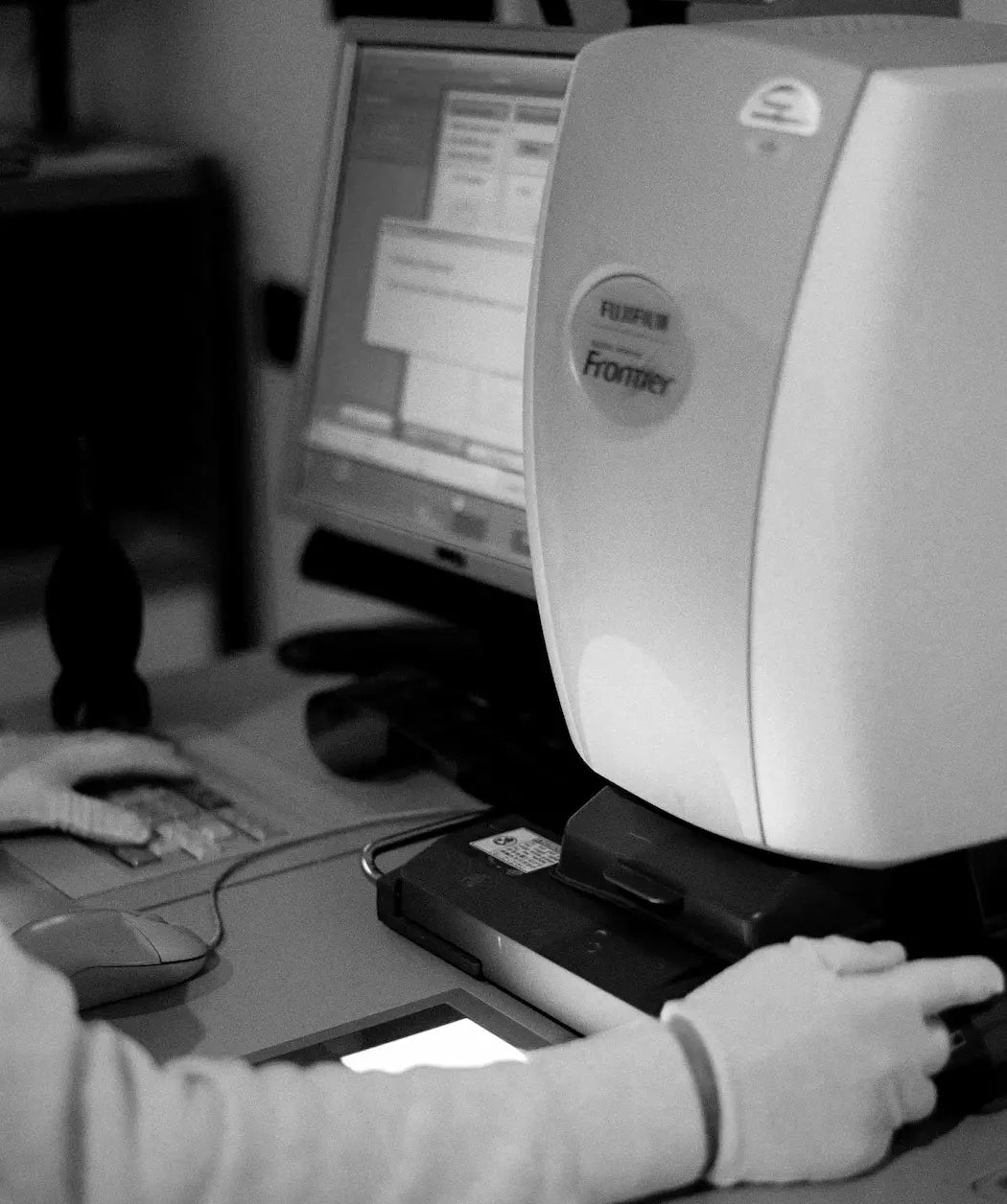
Independent laboratories tend to offer greater control over both development and scanning, favouring manual color correction over preset driven processes. This allows technicians to respond to the specific characteristics of each film stock and even to the conditions under which the film was shot. The possibility of discussing artistic intent creates a collaborative dynamic that is largely absent in high volume environments. While budget oriented labs often succeed in keeping prices low, their economic model typically leaves little room for personalised adjustments, reinforcing efficiency at the expense of individualised adjustments.

Club 35: A Lab Designed by and for Photographers
Within this independent landscape, Club 35 positions itself clearly as a photographer-led lab, fostering close relationships with photographers and shaping its services around their needs and the gaps they have identified in the analog community. By prioritising quality over large-volume processing, the lab ensures careful and personalised handling of every roll of film. Its emphasis on personalised color profiles and careful scanning reflects an understanding of film as an expressive medium rather than a standardised input. Lastly, when scans are included in the overall pricing, the value proposition becomes clearer as costs are assessed in relation to final output rather than isolated services.
The lab’s central drop off point in the first arrondissement, with additional accessibility in the ninth, makes it particularly convenient for photographers working or visiting central Paris. A centrally located lab offers more than convenience. Direct film drop off enables immediate confirmation, reduces the risk associated with shipping and opens the door to spontaneous discussion which fosters further connection.

Developed and scanned by Club 35 lab. Photographed by Zoé Satche and Florian Monot.
The Balance Between Price and Quality
Lower prices often correspond to automated scanning and minimal human intervention. While this may suffice for casual use, manual corrections demand time, expertise and therefore cost. Transparency in pricing is consequently more important than absolute affordability. To understand the value of a lab, look at what’s included instead of just the overall price. Resolution alone does not define a good scan. Color science, consistent contrast and balanced density play a far greater role in preserving the character of a negative. Club 35’s inclusion of XXL scans as a standard offering eliminates the need for mandatory upgrades, a practice that can be common elsewhere. Including scans as part of the service allows the total cost to reflect the full value of what’s offered, rather than just the development fee.
Tailored color profiles adjusted not only to specific film stocks but also to individual shooting conditions, are essential for editorial and commercial work where consistency across series is critical. This kind of customisation is rare in labs that focus on lower-cost services. However, in analog photography, careful control at every step is important to get the best results. Personalised adjustments support that approach.

Which Photo Lab to Choose in Paris?
Selecting a photo lab in Paris ultimately depends on defining your priorities such as cost, speed or image clarity. The intended and final use of the scans (web publications, fine art printing or editorial distribution) can help guide this decision. For photographers whose primary concern is price, Nation Photo is frequently chosen for its affordability and fast turnaround time, sometimes as quick as one hour at certain locations. Its high volume approach suits basic needs in terms of scans and tight budgets. However, for those who prioritize image quality and aesthetic coherence, choosing a specialized lab like Club 35 makes perfect sense. It guarantees meticulous attention to color and detail, with high resolution automatically included in the service.
Film processing in Paris offers a wide array of possibilities, and no single lab can meet every photographer’s needs equally. In the end, choosing the right lab in Paris is not a secondary consideration, but a decisive factor that directly shapes the final image and the analog photographic experience itself.